

Quality Assured
Just Buy It
- Comparison
- 在线预约
- 预约申请
- 样品申请
- 在线询价

Nitrogen Evaporator
Nitrogen Evaporator
RNEV-A,RNEV-B,RNEV-C

Brand:
RUISCI
-
Click to select
- RNEV-A-12,Dry
- RNEV-A-24,Dry
- RNEV-A-36,Dry
- RNEV-A-48,Dry
- RNEV-B-12,Square Water Bath
- RNEV-B-24,Square Water Bath
- RNEV-B-36,Square Water Bath
- RNEV-B-48,Square Water Bath
- RNEV-C-12,Circular Water Bath
- RNEV-C-24,Circular Water Bath
- RNEV-A-12S,Fully Automatic Dry
- RNEV-A-24S,Fully Automatic Dry
- RNEV-B-12S,Fully Automatic Water Bath
- RNEV-B-24S,Fully Automatic Water Bath
Inventory
2352
隐藏域元素占位
Overview
The nitrogen evaporator is a laboratory device mainly used for concentrating and drying samples. It uses high-purity nitrogen to blow over the samples and is usually equipped with a heating module (such as dry heating or water bath heating) to accelerate the evaporation of solvents, thereby achieving oxygen-free concentration of the samples.
Features
1. Digital temperature controller with dual digital display allows real-time observation of temperature changes.
2. Built-in over-temperature protection device, automatic fault detection and alarm function ensure the safety and stability of the equipment during use, reducing experimental risks.
3. Each gas delivery tube can be independently raised or lowered, and the support can also be adjusted in height, allowing for self-regulation of the height.
4. The circular structure turntable rotates freely, facilitating the entry and exit of sample supports from the water bath, and is easy to operate.
5. Adjustable needle valves can control gas flow, ensuring safety and gas conservation.
6. The fast heating element is made of alloy aluminum, providing rapid and uniform heating, as well as resistance to oxidation and corrosion.
7. The fully automatic nitrogen evaporator is equipped with optical sensors and an automatic control system, which can monitor the concentration status of samples in real time. When the sample is concentrated to the preset volume, the system automatically stops nitrogen blowing and issues an alarm, eliminating the need for manual supervision.
Technical data


Precautions for Using a Nitrogen Evaporator:
1. The nitrogen evaporator typically operates normally within an ambient temperature range of 5°C to 30°C. It is essential to maintain a stable temperature and avoid significant fluctuations. Excessively high or low temperatures may affect the performance of the heating module and electronic components, leading to unstable heating or equipment failure.
2. The relative humidity for the nitrogen evaporator should be controlled at ≤70%. Excessive humidity can cause internal components to become damp, affecting their performance and lifespan, and even leading to safety hazards such as short circuits or leakage.
3. For heat-sensitive samples, carefully select the heating temperature to prevent decomposition or denaturation due to high temperatures. Conduct small-scale tests to determine the appropriate temperature range.
4. Ensure that the samples are chemically stable in a nitrogen environment and do not react with nitrogen or the equipment materials, which could affect the experimental results.
5. Set the heating temperature based on the nature of the sample and the boiling point of the solvent. It is generally recommended to set it 10-20°C below the solvent's boiling point to prevent excessive boiling or sample loss.
6. Avoid excessive heating, as it may lead to sample degradation, solvent decomposition, or the production of harmful substances, affecting the experimental results and the safety of the experimental environment.
7. When handling toxic or volatile solvents, use the nitrogen evaporator in a fume hood to ensure the safety of the experimental environment and prevent the impact of harmful gases on the operator.
8. Even when using a fume hood, ensure that it has good ventilation to prevent the accumulation of solvent vapors in the laboratory.
9. Ensure that the purity of the nitrogen gas is sufficiently high (typically above 99.99%) to avoid contamination of the samples and ensure the accuracy of the experimental results.
10. Regularly check the pressure and purity of the nitrogen gas source to ensure a stable supply that meets the experimental requirements.
11. Each sample position should have independent control over the nitrogen flow rate and the height of the blow needle to prevent cross-contamination between samples. Clean the blow needles and sample racks before use.
12. Distribute the samples evenly on the sample rack to avoid excessive or insufficient sample loading, which could affect the nitrogen blowdown effect and the uniform concentration of the samples.
13. During the experiment, regularly check the concentration status of the samples to prevent excessive concentration or drying, which could lead to sample loss or experimental failure.
14. After use, promptly clean the heating module, sample rack, and nitrogen blowdown system of the nitrogen evaporator to remove residual solvents and samples, preventing contamination and equipment damage.
15. Regularly maintain and service the equipment, checking the working status of key components such as the temperature sensor of the heating module and the nitrogen flow controller to ensure normal operation and extend the equipment's lifespan.
16. During operation, wear appropriate protective gear such as gloves and goggles to prevent solvent splashes or the impact of harmful gases on the operator.
17. Use the equipment strictly in accordance with the operating procedures and avoid disassembling or modifying it without authorization to ensure the safety of the experiment and the normal operation of the equipment.
keyword:
Nitrogen Gas Blower
- 产品描述
- 概要参数
- 技术参数
-
- Brand: RUISCI
- Commodity name: Nitrogen Evaporator
- Subtitle: Nitrogen Evaporator
- Model: RNEV-A,RNEV-B,RNEV-C
- 全部型号: Nitrogen Gas Blower,RNEV-A-12,RNEV-A-24,RNEV-A-36,RNEV-A-48,RNEV-B-12,RNEV-B-24, RNEV-B-36,RNEV-B-48,RNEV-C-12,RNEV-C-24,RNEV-A-12S,RNEV-A-24S,RNEV-B-12S,RNEV-B-24S
The nitrogen evaporator is a laboratory device mainly used for concentrating and drying samples.
The nitrogen evaporator is a laboratory device mainly used for concentrating and drying samples. It uses high-purity nitrogen to blow over the samples and is usually equipped with a heating module (such as dry heating or water bath heating) to accelerate the evaporation of solvents, thereby achieving oxygen-free concentration of the samples.
-
1. Digital temperature controller with dual digital display allows real-time observation of temperature changes.
2. Built-in over-temperature protection device, automatic fault detection and alarm function ensure the safety and stability of the equipment during use, reducing experimental risks.
3. Each gas delivery tube can be independently raised or lowered, and the support can also be adjusted in height, allowing for self-regulation of the height.
4. The circular structure turntable rotates freely, facilitating the entry and exit of sample supports from the water bath, and is easy to operate.
5. Adjustable needle valves can control gas flow, ensuring safety and gas conservation.
6. The fast heating element is made of alloy aluminum, providing rapid and uniform heating, as well as resistance to oxidation and corrosion.
7. The fully automatic nitrogen evaporator is equipped with optical sensors and an automatic control system, which can monitor the concentration status of samples in real time. When the sample is concentrated to the preset volume, the system automatically stops nitrogen blowing and issues an alarm, eliminating the need for manual supervision. -
Precautions for Using a Nitrogen Evaporator:
1. The nitrogen evaporator typically operates normally within an ambient temperature range of 5°C to 30°C. It is essential to maintain a stable temperature and avoid significant fluctuations. Excessively high or low temperatures may affect the performance of the heating module and electronic components, leading to unstable heating or equipment failure.
2. The relative humidity for the nitrogen evaporator should be controlled at ≤70%. Excessive humidity can cause internal components to become damp, affecting their performance and lifespan, and even leading to safety hazards such as short circuits or leakage.
3. For heat-sensitive samples, carefully select the heating temperature to prevent decomposition or denaturation due to high temperatures. Conduct small-scale tests to determine the appropriate temperature range.
4. Ensure that the samples are chemically stable in a nitrogen environment and do not react with nitrogen or the equipment materials, which could affect the experimental results.
5. Set the heating temperature based on the nature of the sample and the boiling point of the solvent. It is generally recommended to set it 10-20°C below the solvent's boiling point to prevent excessive boiling or sample loss.
6. Avoid excessive heating, as it may lead to sample degradation, solvent decomposition, or the production of harmful substances, affecting the experimental results and the safety of the experimental environment.
7. When handling toxic or volatile solvents, use the nitrogen evaporator in a fume hood to ensure the safety of the experimental environment and prevent the impact of harmful gases on the operator.
8. Even when using a fume hood, ensure that it has good ventilation to prevent the accumulation of solvent vapors in the laboratory.
9. Ensure that the purity of the nitrogen gas is sufficiently high (typically above 99.99%) to avoid contamination of the samples and ensure the accuracy of the experimental results.
10. Regularly check the pressure and purity of the nitrogen gas source to ensure a stable supply that meets the experimental requirements.
11. Each sample position should have independent control over the nitrogen flow rate and the height of the blow needle to prevent cross-contamination between samples. Clean the blow needles and sample racks before use.
12. Distribute the samples evenly on the sample rack to avoid excessive or insufficient sample loading, which could affect the nitrogen blowdown effect and the uniform concentration of the samples.
13. During the experiment, regularly check the concentration status of the samples to prevent excessive concentration or drying, which could lead to sample loss or experimental failure.
14. After use, promptly clean the heating module, sample rack, and nitrogen blowdown system of the nitrogen evaporator to remove residual solvents and samples, preventing contamination and equipment damage.
15. Regularly maintain and service the equipment, checking the working status of key components such as the temperature sensor of the heating module and the nitrogen flow controller to ensure normal operation and extend the equipment's lifespan.
16. During operation, wear appropriate protective gear such as gloves and goggles to prevent solvent splashes or the impact of harmful gases on the operator.
17. Use the equipment strictly in accordance with the operating procedures and avoid disassembling or modifying it without authorization to ensure the safety of the experiment and the normal operation of the equipment.
Q and A
Q
Distribution Modes:
A
Default Distribution Mode: EXW China Factory: After your payment is received, our customer service will contact you to confirm the pickup time and location once the goods are ready at the RUISCI China factory.
*Other options:
1.Carriage Paid To (CPT)
DO NOT PAY until you have contacted customer service to add shipping costs, as the default price is EXW China factory.
2.Delivered Duty Paid(DDP)
DO NOT PAY until you have ·contacted customer service to add Freight, insurance, taxes, customs clearance fees, and other miscellaneous expenses, as the default price is EXW China factory. Typically applies exclusively to small air cargo packages.
3. FOB China main port
DO NOT PAY until you have contacted customer service to add the inland charges and export declaration charges, as the default price is EXW China factory.
*** If you still need to consult other distribution modes or trade terms, please contact our customer service directly
Q
Payment methods:
A
1. On-line payment: Paypal
2. Off-line payment: Telegraphic Transfer (TT)
*All charges, except those incurred within our bank, are to be borne by the remitter. Insufficient payment will delay your shipment.
Download
There is currently no content to display
Related products

Price:
653
USD
Delivery:
30 Days

Price:
972
USD
Delivery:
30 Days
Price:
192
USD
Delivery:
30 Days
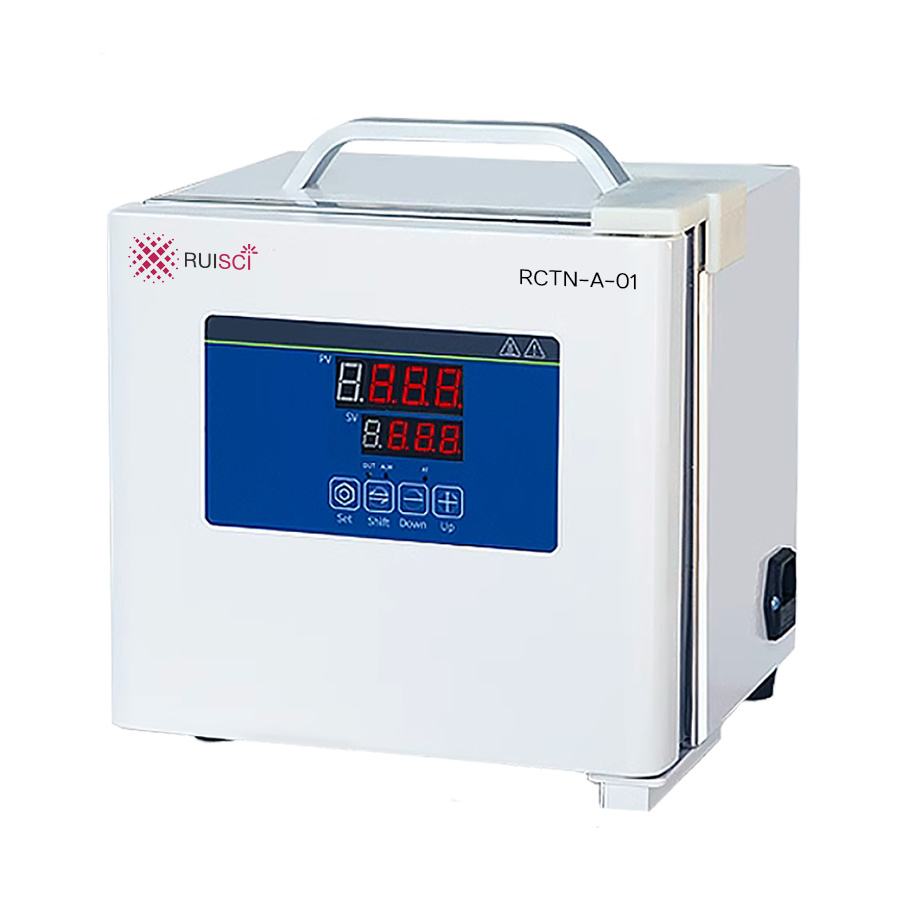
Portable Thermostatic Incubator
Price:
207
USD
Delivery:
30 Days

Constant Temperature and Humidity Incubator
Price:
1328
USD
Delivery:
30 Days
Online consultation

RUISCI provides users with a complete set of certified high-quality products related to laboratory equipments, instruments, analytical methods, chemicals, consumables, and other analytical works.
RUISCI is a RUIANZE company