

Quality Assured
Just Buy It
- Comparison
- 在线预约
- 预约申请
- 样品申请
- 在线询价

Compaction Density Tester
Compaction Density Tester
RCP-A

Brand:
RUISCI
-
Click to select
- RCP-A-01,5Tons
Inventory
284
隐藏域元素占位
Overview
The compaction density tester is an instrument used to measure the density of powder or granular materials under pressure. It compresses the powder or granular materials by applying external force, filling the voids between the particles and increasing the contact area, thereby forming a compacted billet with a certain density and strength.
Features
1. It adopts a 7-inch touch screen for more convenient operation.
2. Data collection uses load cells to accurately collect stress change data.
3. Two operation series are available, and you can switch between automatic and manual modes at will.
4. Professional PC software analysis system provides a more intuitive display of various data graphs.
Technical data

Precautions:
1. Equipment inspection: Check if the appearance of the instrument is intact, if all components are present, and if functions such as power supply and display screen are normal.
2. Calibration of the instrument: Perform calibration operations, using standard samples or samples with known density to verify the accuracy of the instrument.
3. Sample preparation: Take an appropriate amount of uniform, dry, and impurity-free samples. If necessary, conduct pre-treatment such as sieving to ensure the representativeness of the samples.
4. Clean the sample area: Clean the parts of the instrument that come into contact with the samples to avoid residues affecting the measurement results.
5. Correct placement of samples: Place the samples in the measurement area. When filling the samples, avoid overfilling and ensure the surface is flat.
6. Reasonable parameter setting: Set parameters such as pressure and time according to the type of sample and requirements. Different materials may require adjustment to suitable conditions.
7. Safe operation: Wear necessary safety protection equipment such as gloves and goggles during operation to avoid contact with high-pressure areas.
8. Multiple measurements: Conduct multiple measurements on the same sample and take the average value to reduce random errors and improve data reliability.
9. Data analysis: Organize and record the data, calculate the average compacted density of the sample, and determine if it meets the requirements.
10. Instrument cleaning: Turn off the power, clean the instrument, especially the parts that come into contact with the samples, to avoid residues affecting the next measurement.
11. Storage environment: Store the instrument in a dry, well-ventilated environment with suitable temperature and humidity to avoid adverse effects such as moisture, high temperature, and high humidity.
12. Regular maintenance: Regularly maintain and service the instrument, such as calibration, checking battery power, and replacing damaged components.
13. Clean the mold: After use, promptly clean the residual powder inside the mold, check the wear of each component, and replace damaged parts in a timely manner.
14. Safety regulations: Be familiar with and abide by safety regulations, ensure that the emergency stop device is in good condition, and avoid arbitrarily changing instrument settings.
keyword:
Compaction Density Tester
Compaction Density Instrument
Automatic Powder Density Tester
- 产品描述
- 概要参数
- 技术参数
-
- Brand: RUISCI
- Commodity name: Compaction Density Tester
- Subtitle: Compaction Density Tester
- Model: RCP-A
- 全部型号: RCP-A-01,Compaction Density Instrument,Automatic Powder Density Tester
The compaction density tester is an instrument used to measure the density of powder or granular materials under pressure.
The compaction density tester is an instrument used to measure the density of powder or granular materials under pressure. It compresses the powder or granular materials by applying external force, filling the voids between the particles and increasing the contact area, thereby forming a compacted billet with a certain density and strength.
-
1. It adopts a 7-inch touch screen for more convenient operation.
2. Data collection uses load cells to accurately collect stress change data.
3. Two operation series are available, and you can switch between automatic and manual modes at will.
4. Professional PC software analysis system provides a more intuitive display of various data graphs. -
Precautions:
1. Equipment inspection: Check if the appearance of the instrument is intact, if all components are present, and if functions such as power supply and display screen are normal.
2. Calibration of the instrument: Perform calibration operations, using standard samples or samples with known density to verify the accuracy of the instrument.
3. Sample preparation: Take an appropriate amount of uniform, dry, and impurity-free samples. If necessary, conduct pre-treatment such as sieving to ensure the representativeness of the samples.
4. Clean the sample area: Clean the parts of the instrument that come into contact with the samples to avoid residues affecting the measurement results.
5. Correct placement of samples: Place the samples in the measurement area. When filling the samples, avoid overfilling and ensure the surface is flat.
6. Reasonable parameter setting: Set parameters such as pressure and time according to the type of sample and requirements. Different materials may require adjustment to suitable conditions.
7. Safe operation: Wear necessary safety protection equipment such as gloves and goggles during operation to avoid contact with high-pressure areas.
8. Multiple measurements: Conduct multiple measurements on the same sample and take the average value to reduce random errors and improve data reliability.
9. Data analysis: Organize and record the data, calculate the average compacted density of the sample, and determine if it meets the requirements.
10. Instrument cleaning: Turn off the power, clean the instrument, especially the parts that come into contact with the samples, to avoid residues affecting the next measurement.
11. Storage environment: Store the instrument in a dry, well-ventilated environment with suitable temperature and humidity to avoid adverse effects such as moisture, high temperature, and high humidity.
12. Regular maintenance: Regularly maintain and service the instrument, such as calibration, checking battery power, and replacing damaged components.
13. Clean the mold: After use, promptly clean the residual powder inside the mold, check the wear of each component, and replace damaged parts in a timely manner.
14. Safety regulations: Be familiar with and abide by safety regulations, ensure that the emergency stop device is in good condition, and avoid arbitrarily changing instrument settings.
Q and A
Q
Distribution Modes:
A
Default Distribution Mode: EXW China Factory: After your payment is received, our customer service will contact you to confirm the pickup time and location once the goods are ready at the RUISCI China factory.
*Other options:
1.Carriage Paid To (CPT)
DO NOT PAY until you have contacted customer service to add shipping costs, as the default price is EXW China factory.
2.Delivered Duty Paid(DDP)
DO NOT PAY until you have ·contacted customer service to add Freight, insurance, taxes, customs clearance fees, and other miscellaneous expenses, as the default price is EXW China factory. Typically applies exclusively to small air cargo packages.
3. FOB China main port
DO NOT PAY until you have contacted customer service to add the inland charges and export declaration charges, as the default price is EXW China factory.
*** If you still need to consult other distribution modes or trade terms, please contact our customer service directly
Q
Payment methods:
A
1. On-line payment: Paypal
2. Off-line payment: Telegraphic Transfer (TT)
*All charges, except those incurred within our bank, are to be borne by the remitter. Insufficient payment will delay your shipment.
Download
There is currently no content to display
Related products

Price:
4125
USD
Delivery:
30 Days

Price:
300
USD
Delivery:
30 Days
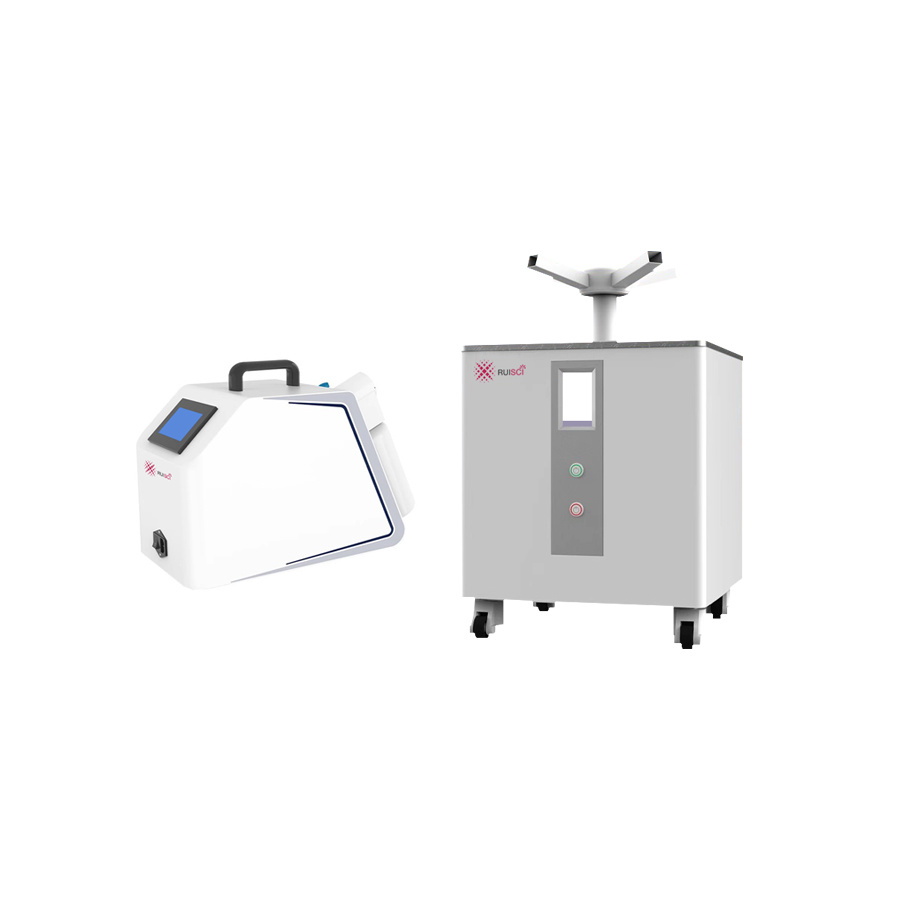
Hydrogen Peroxide Vaporization Sterilizer
Price:
6000
USD
Delivery:
30 Days
Price:
1000
USD
Delivery:
30 Days
Price:
33
USD
Delivery:
30 Days
Online consultation

RUISCI provides users with a complete set of certified high-quality products related to laboratory equipments, instruments, analytical methods, chemicals, consumables, and other analytical works.
RUISCI is a RUIANZE company