

Quality Assured
Just Buy It
- Comparison
- 在线预约
- 预约申请
- 样品申请
- 在线询价

Automatic Biochemical Analyzer
Automatic Biochemical Analyzer
RAUM-A

Brand:
RUISCI
-
Click to select
- RAUM-A-01
Inventory
163
隐藏域元素占位
Overview
The automatic biochemical analyzer is an advanced device used in clinical testing. It can rapidly and accurately detect multiple biochemical indicators in samples, such as liver function, kidney function, blood lipids, blood sugar, etc. Through an automated process, it reduces human error, enhances testing efficiency and the reliability of results, providing crucial evidence for disease diagnosis and treatment monitoring.
Features
1. Rapid detection: It can complete the testing of a large number of samples in a short time.
2. Batch processing: It can load multiple samples at the same time and automatically test them in sequence.
3. Precise sample addition: It adopts a high-precision sample addition system, which can accurately aspirate and distribute samples and reagents.
4. Precise temperature control: It has a good temperature control system inside to ensure that the reaction system is at the appropriate temperature.
5. Automatic sample loading: Samples are automatically loaded into the instrument through an automatic sample loader, reducing manual operation and lowering the risk of contamination and errors.
6. Compact and convenient: It is small in size, occupies little space, and is easy to operate and move.
7. Multi-parameter testing: Capable of simultaneously detecting multiple biochemical parameters.
Technical data

Environmental requirements for use:
1. Temperature: Between 0℃ and 30℃
2. Humidity: Between 30% and 70%
Precautions:
1. The instrument needs to be calibrated regularly to ensure the accuracy of the test results. The calibration frequency is usually determined by the usage frequency of the instrument, typically once a month or once a quarter.
2. Regularly clean the surface and internal components of the instrument, especially the optical system and reaction cups and other key parts. When cleaning, use dedicated cleaning solutions and tools, and avoid using corrosive substances.
3. Ensure that sample collection is standardized to avoid hemolysis, lipemia or coagulation, etc. Hemolysis can affect the accuracy of the test results.
4. Test the samples within the specified time after collection to avoid changes in components due to long-term storage.
5. Ensure that the reagents are within their validity period, as the quality of the reagents directly affects the accuracy of the test results.
6. Store the reagents in the refrigerator or away from light to prevent deterioration or expiration.
7. Operators need to be professionally trained to be familiar with the operation process and precautions of the instrument to avoid misoperation.
8. Be familiar with common faults of the instrument and emergency handling methods, such as clogged holes, alarms, etc., and promptly eliminate faults to ensure the normal operation of the instrument.
9. Ensure that the instrument is powered by a stable power supply to avoid damage caused by voltage fluctuations.
keyword:
Automatic Biochemical Analyzer
Clinical Chemistry Analyzer
Biochemistry Testing Equipment
Portable Automatic Biochemistry Analyzer
- 产品描述
- 概要参数
- 技术参数
-
- Brand: RUISCI
- Commodity name: Automatic Biochemical Analyzer
- Subtitle: Automatic Biochemical Analyzer
- Model: RAUM-A
- 全部型号: RAUM-A-01,Automatic Biochemical Analyzer,Clinical Chemistry Analyzer, Biochemistry Testing Equipment, Portable Automatic Biochemistry Analyzer
The automatic biochemical analyzer is an advanced device used in clinical testing.
The automatic biochemical analyzer is an advanced device used in clinical testing. It can rapidly and accurately detect multiple biochemical indicators in samples, such as liver function, kidney function, blood lipids, blood sugar, etc. Through an automated process, it reduces human error, enhances testing efficiency and the reliability of results, providing crucial evidence for disease diagnosis and treatment monitoring.
-
1. Rapid detection: It can complete the testing of a large number of samples in a short time.
2. Batch processing: It can load multiple samples at the same time and automatically test them in sequence.
3. Precise sample addition: It adopts a high-precision sample addition system, which can accurately aspirate and distribute samples and reagents.
4. Precise temperature control: It has a good temperature control system inside to ensure that the reaction system is at the appropriate temperature.
5. Automatic sample loading: Samples are automatically loaded into the instrument through an automatic sample loader, reducing manual operation and lowering the risk of contamination and errors.
6. Compact and convenient: It is small in size, occupies little space, and is easy to operate and move.
7. Multi-parameter testing: Capable of simultaneously detecting multiple biochemical parameters. -
Environmental requirements for use:
1. Temperature: Between 0℃ and 30℃
2. Humidity: Between 30% and 70%Precautions:
1. The instrument needs to be calibrated regularly to ensure the accuracy of the test results. The calibration frequency is usually determined by the usage frequency of the instrument, typically once a month or once a quarter.
2. Regularly clean the surface and internal components of the instrument, especially the optical system and reaction cups and other key parts. When cleaning, use dedicated cleaning solutions and tools, and avoid using corrosive substances.
3. Ensure that sample collection is standardized to avoid hemolysis, lipemia or coagulation, etc. Hemolysis can affect the accuracy of the test results.
4. Test the samples within the specified time after collection to avoid changes in components due to long-term storage.
5. Ensure that the reagents are within their validity period, as the quality of the reagents directly affects the accuracy of the test results.
6. Store the reagents in the refrigerator or away from light to prevent deterioration or expiration.
7. Operators need to be professionally trained to be familiar with the operation process and precautions of the instrument to avoid misoperation.
8. Be familiar with common faults of the instrument and emergency handling methods, such as clogged holes, alarms, etc., and promptly eliminate faults to ensure the normal operation of the instrument.
9. Ensure that the instrument is powered by a stable power supply to avoid damage caused by voltage fluctuations.
Q and A
There is currently no content to display
Download
There is currently no content to display
Related products
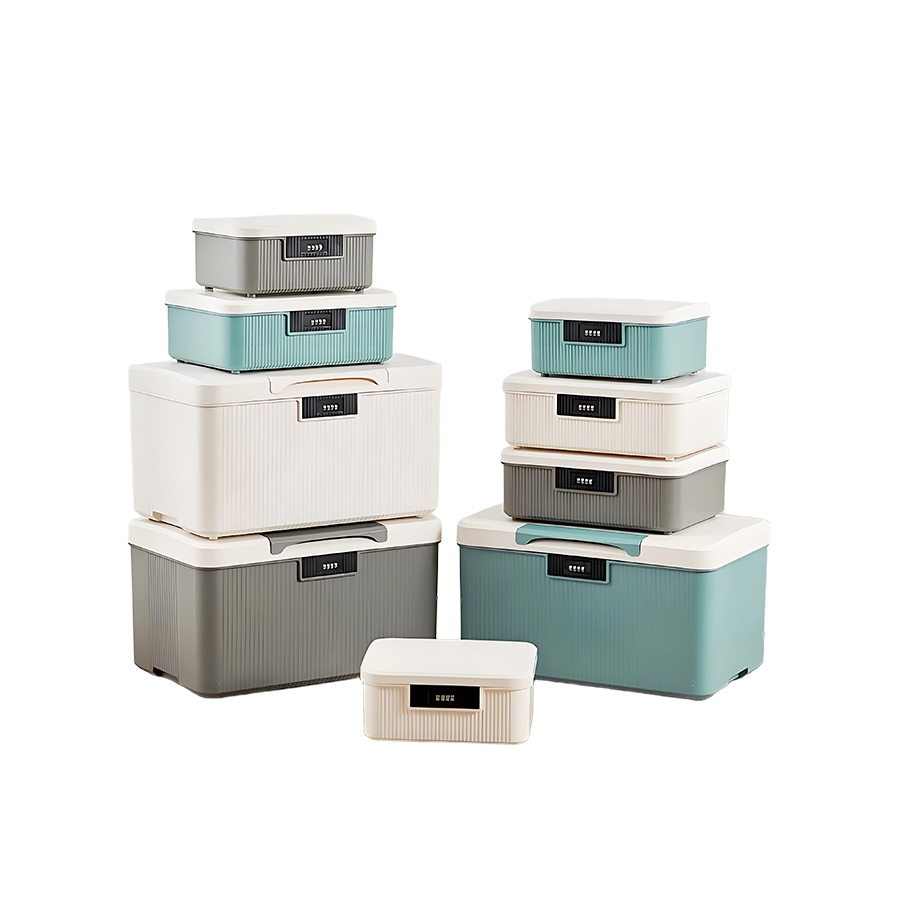
Lock Type Pharmaceutical Container
Price:
13
USD
Delivery:
7 Days
Price:
135
USD
Delivery:
30 Days
Price:
1164
USD
Delivery:
30 Days
Price:
474
USD
Delivery:
30 Days

Price:
4
USD
Delivery:
7 Days
Online consultation

RUISCI provides users with a complete set of certified high-quality products related to laboratory equipments, instruments, analytical methods, chemicals, consumables, and other analytical works.
RUISCI is a RUIANZE company