

Quality Assured
Just Buy It
- Comparison
- 在线预约
- 预约申请
- 样品申请
- 在线询价

pH Triple Combination Electrode
pH Triple Combination Electrode
PH-A

Brand:
RUISCI
-
Click to select
- PH-A-01,0~14pH
Inventory
235
隐藏域元素占位
Overview
The pH triple combination electrode is a sensor that integrates a measuring electrode, a reference electrode, and a temperature compensation electrode. This electrode is suitable for various application scenarios, such as chemical engineering, pharmaceuticals, water treatment, etc. It is easy to operate, simple to maintain, and has a long service life. It is a commonly used pH measurement tool in laboratories and industrial sites.
Features
1. Integrated design: The measurement electrode, reference electrode and temperature compensation electrode are integrated into one unit, simplifying the measurement system, reducing interference between electrodes, and improving the accuracy and stability of the measurement.
2. Fast response: It can quickly respond to pH changes, providing accurate and timely measurement results, and is suitable for real-time monitoring and rapid analysis scenarios.
3. Automatic temperature compensation: It is equipped with an internal temperature sensor that can automatically perform temperature compensation, ensuring the accuracy of measurement results under different temperature conditions and avoiding measurement errors caused by temperature changes.
4. Wide application: It is applicable to various industries and fields, such as chemical engineering, pharmaceuticals, water treatment, food processing, environmental monitoring, etc., meeting the pH measurement requirements of different scenarios.
5. Easy operation: The electrode is compactly designed, easy to use, and convenient for installation and maintenance, suitable for both laboratory and industrial field use, reducing operation difficulty and maintenance costs.
6. Strong durability: It is usually made of corrosion-resistant materials, capable of withstanding harsh working environments, extending the service life of the electrode, reducing replacement frequency, and lowering usage costs.
Technical data

Operation Precautions:
1. Check for bubbles: Before use, check if there are any bubbles at the front end of the bulb. If there are, shake them off.
2. Proper cleaning: After taking it out of the soaking solution, rinse with deionized water by gently shaking and dry it off. Do not wipe the bulb with a paper towel. You can rinse the electrode with the solution being tested.
3. Operation after insertion into solution: After inserting it into the solution being tested, stir and shake it a few times before leaving it still. For plastic-bodied electrodes, the shaking should be more vigorous.
4. Cleaning after measurement: After testing in viscous samples, the electrode should be rinsed repeatedly with deionized water. Sometimes, it is necessary to first wash off the sample with other reagents, then rinse off the solvent, and soak it in the soaking solution to activate it.
5. Avoid contact with corrosive substances: Avoid contact with strong acids, strong bases, or corrosive solutions. If testing such solutions, reduce the immersion time, and clean it thoroughly after use. Do not use it in dehydrating media such as anhydrous ethanol or concentrated sulfuric acid.
6. Pay attention to the shell material: The shell material of plastic pH composite electrodes is polycarbonate plastic. Some solvents such as carbon tetrachloride, trichloroethylene, and tetrahydrofuran can dissolve it. If testing solutions containing these solvents, use a pH composite electrode with a glass shell instead.
7. Protect the sensitive glass: The flat sensitive tip glass at the measuring end of the electrode is fragile. Avoid contact with solutions or solids containing sand that can scratch the glass during use.
8. Adequate contact: During measurement, the flat end of the electrode's measuring end must be in full contact with the surface of the object being tested or the solution being tested.
9. Temperature influence: The pH value of an object's surface or solution is affected by temperature. If you need to obtain the pH value of a sample at a specific temperature, raise the sample to that temperature before measurement. The temperature compensation function of the instrument cannot convert the pH value measured at one temperature to that at another temperature.
10. Calibration of the electrode: When calibrating the electrode, if the pH value of the solution being tested is acidic, it is recommended to use pH 4.00 and pH 7.00 calibration solutions; if the pH value of the solution being tested is alkaline, it is recommended to use pH 7.00 and pH 10.01 calibration solutions.
11. Protect the electrode cap and other components: Avoid applying force to the electrode cap, wires, and wire interfaces. The wire interfaces must be kept dry.
keyword:
pH Triple Combination Electrode
Electrode,pH Triple-composite Electrode
pH Triode Combination Electrode
3-in-1 pH Electrode
pH Tri-Sensor Electrode
pH Meter
Previous:
Next:
- 产品描述
- 概要参数
- 技术参数
-
- Brand: RUISCI
- Commodity name: pH Triple Combination Electrode
- Subtitle: pH Triple Combination Electrode
- Model: PH-A
- 全部型号: PH-A-01,pH Triple Combination Electrode,pH Triple-composite Electrode,pH Triode Combination Electrode,3-in-1 pH Electrode,pH Tri-Sensor Electrode,pH Meter
The pH triple combination electrode is a sensor that integrates a measuring electrode, a reference electrode, and a temperature compensation electrode.
The pH triple combination electrode is a sensor that integrates a measuring electrode, a reference electrode, and a temperature compensation electrode. This electrode is suitable for various application scenarios, such as chemical engineering, pharmaceuticals, water treatment, etc. It is easy to operate, simple to maintain, and has a long service life. It is a commonly used pH measurement tool in laboratories and industrial sites.
-
1. Integrated design: The measurement electrode, reference electrode and temperature compensation electrode are integrated into one unit, simplifying the measurement system, reducing interference between electrodes, and improving the accuracy and stability of the measurement.
2. Fast response: It can quickly respond to pH changes, providing accurate and timely measurement results, and is suitable for real-time monitoring and rapid analysis scenarios.
3. Automatic temperature compensation: It is equipped with an internal temperature sensor that can automatically perform temperature compensation, ensuring the accuracy of measurement results under different temperature conditions and avoiding measurement errors caused by temperature changes.
4. Wide application: It is applicable to various industries and fields, such as chemical engineering, pharmaceuticals, water treatment, food processing, environmental monitoring, etc., meeting the pH measurement requirements of different scenarios.
5. Easy operation: The electrode is compactly designed, easy to use, and convenient for installation and maintenance, suitable for both laboratory and industrial field use, reducing operation difficulty and maintenance costs.
6. Strong durability: It is usually made of corrosion-resistant materials, capable of withstanding harsh working environments, extending the service life of the electrode, reducing replacement frequency, and lowering usage costs. -
Operation Precautions:
1. Check for bubbles: Before use, check if there are any bubbles at the front end of the bulb. If there are, shake them off.
2. Proper cleaning: After taking it out of the soaking solution, rinse with deionized water by gently shaking and dry it off. Do not wipe the bulb with a paper towel. You can rinse the electrode with the solution being tested.
3. Operation after insertion into solution: After inserting it into the solution being tested, stir and shake it a few times before leaving it still. For plastic-bodied electrodes, the shaking should be more vigorous.
4. Cleaning after measurement: After testing in viscous samples, the electrode should be rinsed repeatedly with deionized water. Sometimes, it is necessary to first wash off the sample with other reagents, then rinse off the solvent, and soak it in the soaking solution to activate it.
5. Avoid contact with corrosive substances: Avoid contact with strong acids, strong bases, or corrosive solutions. If testing such solutions, reduce the immersion time, and clean it thoroughly after use. Do not use it in dehydrating media such as anhydrous ethanol or concentrated sulfuric acid.
6. Pay attention to the shell material: The shell material of plastic pH composite electrodes is polycarbonate plastic. Some solvents such as carbon tetrachloride, trichloroethylene, and tetrahydrofuran can dissolve it. If testing solutions containing these solvents, use a pH composite electrode with a glass shell instead.
7. Protect the sensitive glass: The flat sensitive tip glass at the measuring end of the electrode is fragile. Avoid contact with solutions or solids containing sand that can scratch the glass during use.
8. Adequate contact: During measurement, the flat end of the electrode's measuring end must be in full contact with the surface of the object being tested or the solution being tested.
9. Temperature influence: The pH value of an object's surface or solution is affected by temperature. If you need to obtain the pH value of a sample at a specific temperature, raise the sample to that temperature before measurement. The temperature compensation function of the instrument cannot convert the pH value measured at one temperature to that at another temperature.
10. Calibration of the electrode: When calibrating the electrode, if the pH value of the solution being tested is acidic, it is recommended to use pH 4.00 and pH 7.00 calibration solutions; if the pH value of the solution being tested is alkaline, it is recommended to use pH 7.00 and pH 10.01 calibration solutions.
11. Protect the electrode cap and other components: Avoid applying force to the electrode cap, wires, and wire interfaces. The wire interfaces must be kept dry.
Q and A
Q
Distribution Modes:
A
Default Distribution Mode: EXW China Factory: After your payment is received, our customer service will contact you to confirm the pickup time and location once the goods are ready at the RUISCI China factory.
*Other options:
1.Carriage Paid To (CPT)
DO NOT PAY until you have contacted customer service to add shipping costs, as the default price is EXW China factory.
2.Delivered Duty Paid(DDP)
DO NOT PAY until you have ·contacted customer service to add Freight, insurance, taxes, customs clearance fees, and other miscellaneous expenses, as the default price is EXW China factory. Typically applies exclusively to small air cargo packages.
3. FOB China main port
DO NOT PAY until you have contacted customer service to add the inland charges and export declaration charges, as the default price is EXW China factory.
*** If you still need to consult other distribution modes or trade terms, please contact our customer service directly
Q
Payment methods:
A
1. On-line payment: Paypal
2. Off-line payment: Telegraphic Transfer (TT)
*All charges, except those incurred within our bank, are to be borne by the remitter. Insufficient payment will delay your shipment.
Download
There is currently no content to display
Related products
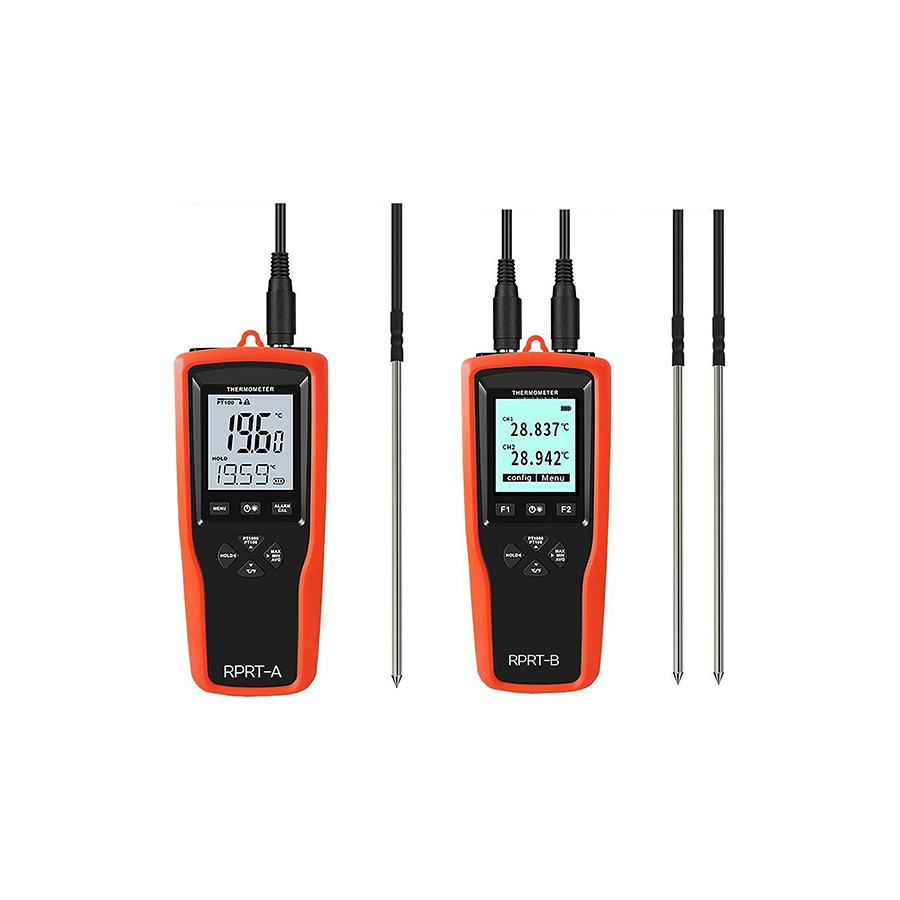
Platinum Resistance Thermometers
Price:
350
USD
Delivery:
30 Days

Price:
12
USD
Delivery:
30 Days

Price:
125
USD
Delivery:
30 Days
Price:
335
USD
Delivery:
30 Days
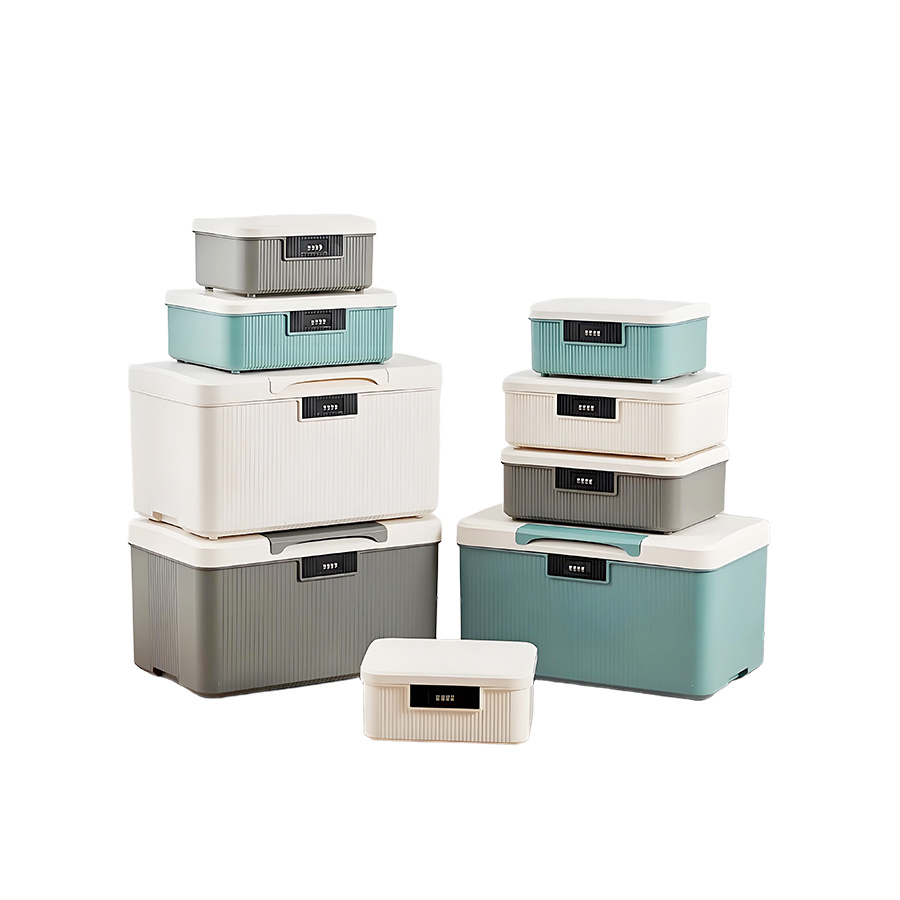
Lock Type Pharmaceutical Container
Price:
11
USD
Delivery:
7 Days
Online consultation

RUISCI provides users with a complete set of certified high-quality products related to laboratory equipments, instruments, analytical methods, chemicals, consumables, and other analytical works.
RUISCI is a RUIANZE company